
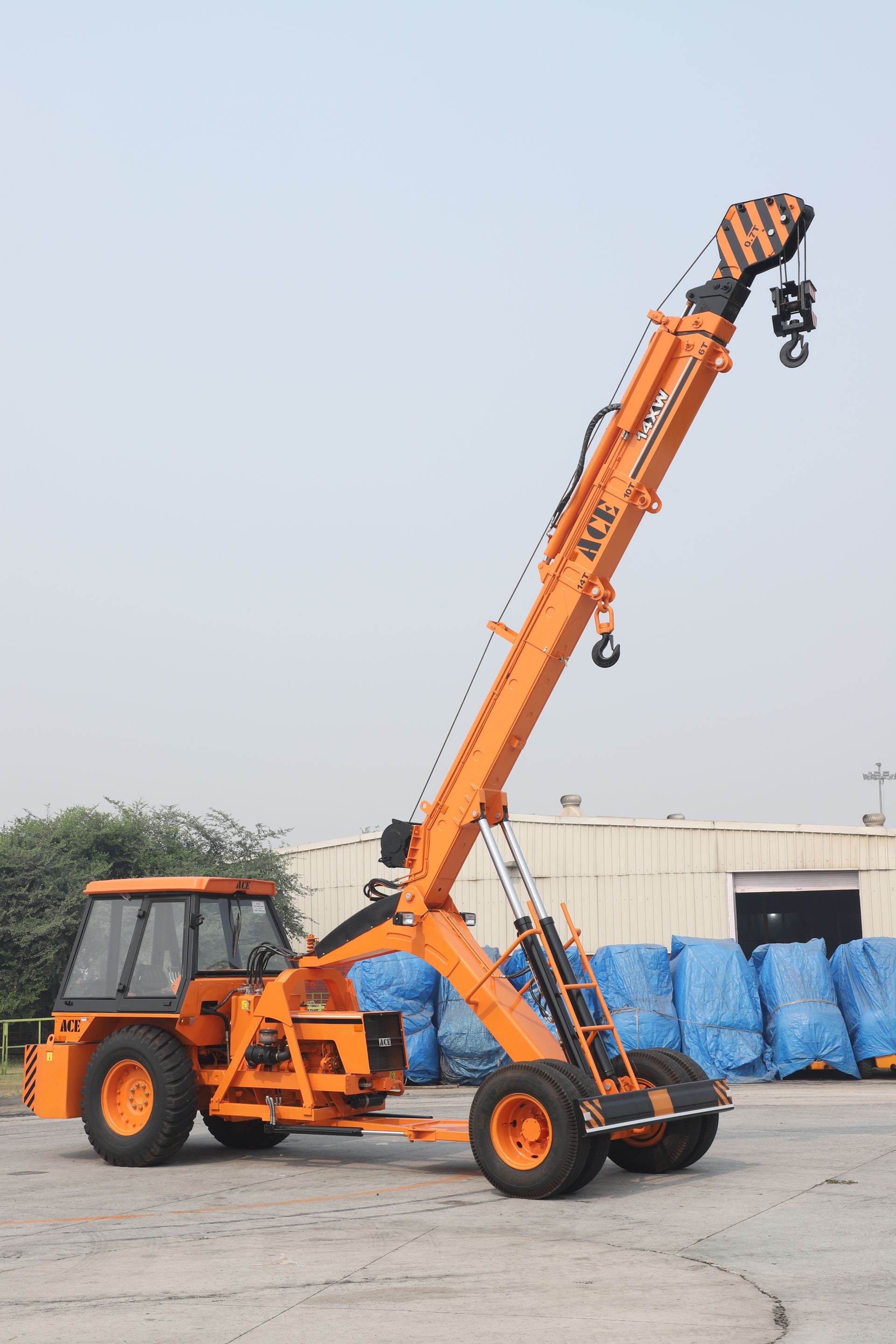
Lifting Supervisor Supply Across the UAE
Lifting kills more people on Gulf construction and industrial sites than almost any other activity, and the pattern is monotonous. A load that was heavier than the plan assumed. A ground bearing check that nobody did. A tandem lift where two operators were working to different signals. A sling that failed a colour code inspection nobody performed.
None of those are crane faults. They are supervision faults.
HSE Manpower supplies lifting supervisors and appointed persons whose entire job is to stop that sequence before it starts — across construction, oil and gas, fabrication, ports and heavy industry throughout the Emirates.
- Appointed personsBS 7121 lift planning, signed lift plans
- LEEA-alignedEquipment literacy, certificates verified at source
- CICPA-passedDays to mobilise, not six weeks
- We remain the employerVisa, WPS payroll and insurance on our side
The role, defined properly
The UAE market uses “lifting supervisor” loosely, sometimes for a rigger with seniority. We use it in the sense the standards intend, and we supply against three distinct grades.
Appointed Person
The person accountable for planning the lift. They assess the load, select the equipment, calculate the configuration, determine ground bearing pressure and outrigger loading, specify the exclusion zone, write the lift plan and method statement, and sign it. On complex, tandem and critical lifts this is engineering-adjacent work and cannot be delegated to the operator.
Lifting Supervisor
The person who executes the plan on the ground. They brief the lift team, verify the equipment against the plan, check third-party certification and colour coding, confirm ground conditions and exclusion zones, control the lift, and stop it when reality diverges from the plan. They are physically present for the duration.
Rigger and Slinger-Signaller
The hands on the load and the signals to the operator, working under the supervisor’s control.
We supply all three, and we will tell you plainly when a job you have scoped as a lifting supervisor requirement actually needs an appointed person as well — which, for any tandem, blind or critical lift, it does.
Why lifting supervision is a legal requirement
Lifting is one of the most heavily regulated activities on any UAE site, and the requirement for competent, appointed supervision is explicit across every relevant regime.
Where a lifting incident occurs, the first question asked is who planned the lift and whether they were competent to do so.
An unsigned or generic lift plan is indefensible.
Federal Decree-Law No. 33 of 2021
With the executive regulations under Cabinet Resolution No. 1 of 2022, it requires employers to assess risk and implement protections through competent persons.
BS 7121 and LOLER-derived requirements
For lifting, competence is defined by the international standards the UAE market works to. BS 7121 sets out the appointed person role and the requirement for a documented lift plan; LOLER-derived requirements for thorough examination and inspection of lifting equipment and accessories have been broadly adopted through client standards.
OSHAD System Framework
In Abu Dhabi, the OSHAD Codes of Practice address lifting operations directly, requiring documented lift planning, competent appointed persons, equipment examination regimes and operator certification.
Dubai Municipality
The Code of Construction Safety Practice sets out crane and lifting requirements including third-party equipment certification, operator certification, lift planning and permit requirements for critical lifts and crane erection.
Trakhees
Trakhees HSE Regulations impose their own lifting approval regime across PCFC jurisdictions, including Jebel Ali and Dubai Maritime City, with registration requirements for lifting personnel.
ADNOC Codes of Practice & CICPA
On ADNOC assets, the Codes of Practice covering lifting and hoisting are prescriptive on lift categorisation, planning, competence and equipment integrity, and CICPA access applies.
DEWA, FANR & LEEA
DEWA projects and FANR-regulated work at Barakah carry their own requirements. Third-party inspection bodies operating to LEEA standards underpin equipment certification across all of it.
Lifting operations we cover
From routine mobile crane work to tower crane erection, offshore transfers and SPMT load-outs.
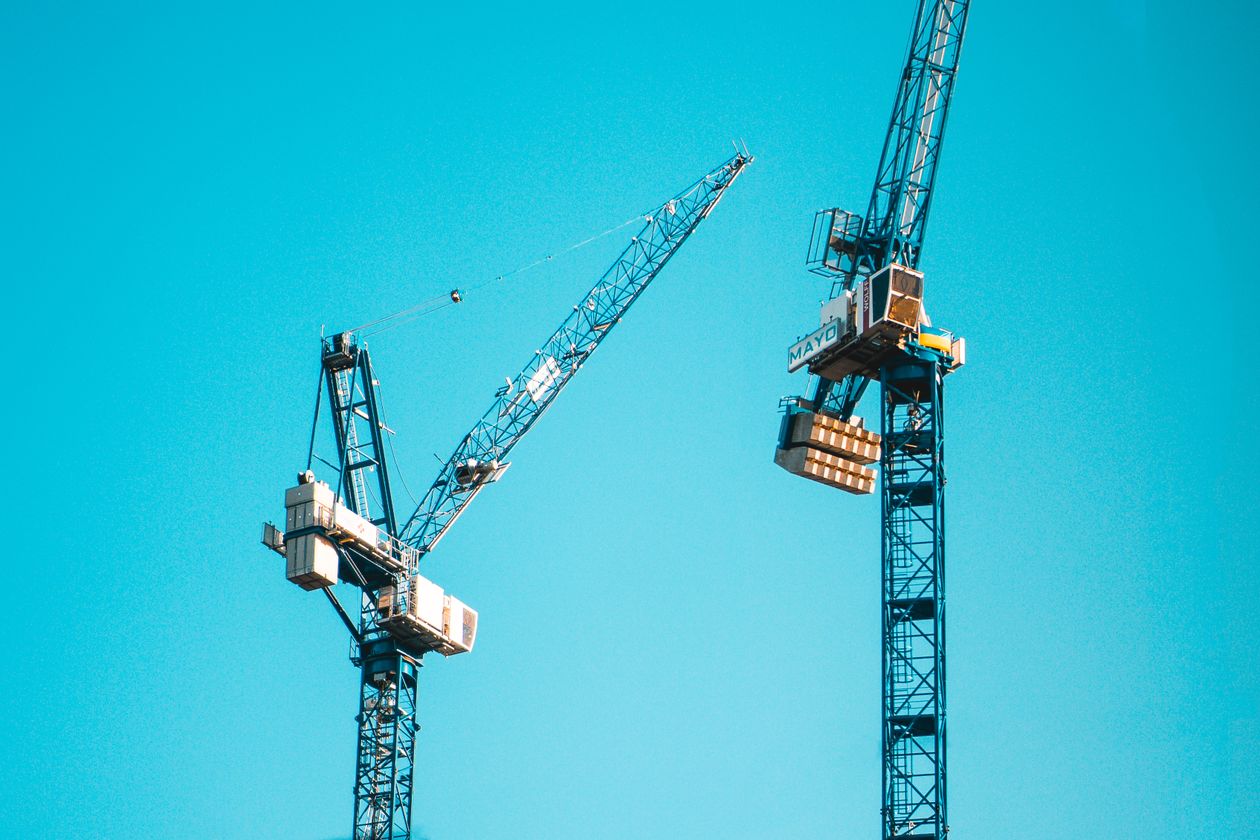
- Mobile crane operations: all-terrain, rough-terrain, crawler and truck-mounted
- Tower crane erection, climbing, operation and dismantling
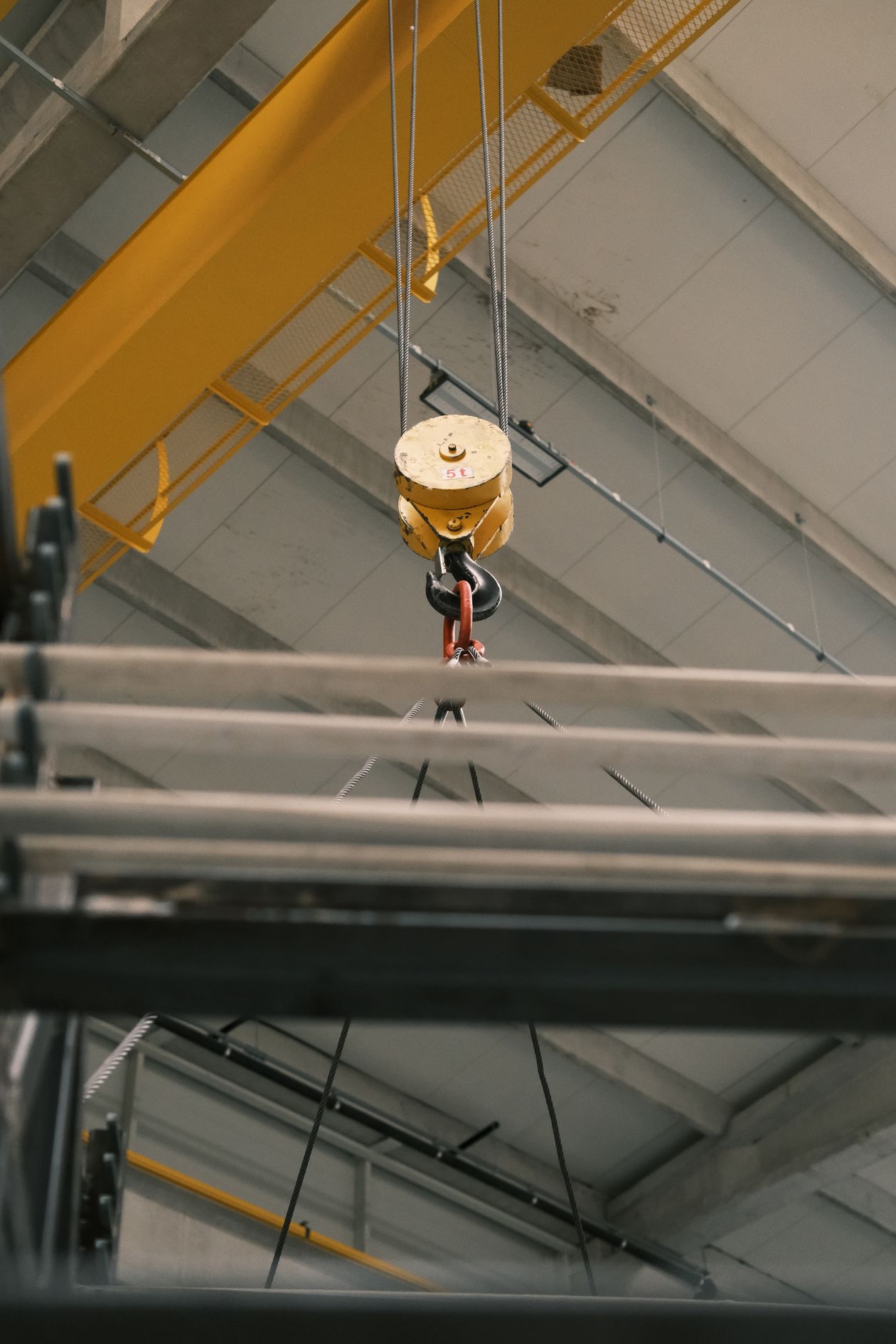
- Overhead and gantry cranes
- Mobile elevating work platforms and telehandlers
- Tandem and multi-crane lifts
- Blind lifts requiring relayed signalling
- Lifts over live plant and occupied areas
- Man-riding operations
- Offshore and marine lifting, including platform cranes and vessel-to-platform transfers
- Heavy transport, SPMT moves and skidding operations
- Module and skid load-out from fabrication yards
- Vessel, column and heat exchanger installation
- Turnaround lifting campaigns
- Piling rig and heavy plant relocation
- Façade and curtain wall installation
- Precast and structural steel erection
Emirates and hubs we serve
Why the hub dictates the lifting competence required
Lifting risk in the UAE varies more by location than almost any other HSE discipline.
Abu Dhabi and Al Dhafra
Supplied CICPA-passed and OSHAD-registered.
Where we place
- Ruwais Industrial City and the refining and petrochemical complex, particularly turnaround lifting campaigns
- Habshan and Bab gas processing
- Asab, Bu Hasa, Shah and Sahil onshore fields
- Offshore at Upper and Lower Zakum, Satah Al Razboot and Umm Lulu
- Das Island and Zirku Island
- KEZAD and Khalifa Industrial Zone
- Musaffah fabrication yards and shipyards
- Taweelah power and desalination
- Barakah
The lifting profile here
Ruwais turnarounds concentrate exchanger, column and vessel lifts into compressed windows, often over live plant, with congested plot plans and limited crane standing. Habshan, Bab and the onshore fields bring wellhead, flowline and skid installation across long distances with variable ground conditions — where ground bearing assessment genuinely decides outcomes.
Offshore at Zakum, Satah Al Razboot, Umm Lulu, Das and Zirku, lifting happens under vessel motion and dynamic loading, with platform cranes and transfers that land-based competence does not cover. Musaffah is a load-out economy: modules, skids and jackets move by SPMT and skidding onto barges. Taweelah and Barakah bring transformer, turbine and heavy component handling.
Dubai
Trakhees and DM lifting approval experience is standard across our Dubai pool.
Where we place
- Jebel Ali Free Zone and Jebel Ali Port container and heavy lift operations
- Dubai Maritime City and the dry docks
- Hassyan power complex
- Dubai Investments Park
- Dubai Industrial City
- Dubai South and Al Maktoum airport
- Expo City
- The downtown high-rise corridor
The lifting profile here
Downtown Dubai and Business Bay are tower crane territory. Erection, climbing and dismantling are the highest-consequence operations on any high-rise, and both Dubai Municipality and Trakhees impose specific permit and approval routes for them. Façade and curtain wall lifting over public realm adds exclusion-zone management that is as much a public-safety problem as a site one.
Jebel Ali Port and Dubai Maritime City run continuous container, block and dry dock lifting, where the hazards are repetitive operations and mixed traffic rather than one-off complexity. Hassyan brings transformer, turbine and heavy component handling.
Sharjah
Where we place
- Hamriyah Free Zone heavy fabrication and oilfield services yards
- SAIF Zone
- The Sharjah industrial areas
The lifting profile here
Hamriyah Free Zone is a load-out economy with substantial load-out activity. The planning for module and skid moves is closer to heavy transport engineering than to conventional crane work.
Fujairah
Where we place
- Port of Fujairah
- The oil terminal and tank farm cluster
- Fujairah Oil Industry Zone
- Bunkering operations
- The quarrying belt
The lifting profile here
Port, terminal and bunkering lifting runs alongside hydrocarbons and marine interfaces, where exclusion zones and equipment integrity carry the risk.
Ras Al Khaimah
Where we place
- RAKEZ
- The Al Ghail industrial corridor
- Cement and ceramics plant, where overhead crane work is continuous
- The quarrying and aggregates sector
The lifting profile here
RAK’s cement and ceramics plants run overhead cranes continuously, where the risk profile is inspection regime and operator competence rather than lift planning.
Ajman, Umm Al Quwain and Al Ain
Where we place
- Free zone and industrial operations
- Quarrying
- Cement
- Infrastructure projects
We supply against the lifting profile the hub actually produces.
Industries we serve
The typical lifting profile, sector by sector.
- Oil and gas onshoreWellhead, flowline, vessel installation
- Oil and gas offshorePlatform crane, vessel-to-platform transfer
- Refining and petrochemicalsTurnaround campaigns, exchanger and column lifts
- Construction — high-riseTower crane erection, climbing, façade lifts
- Construction — infrastructureBridge beams, precast, tunnel segments
- EPC and fabricationModule load-out, SPMT moves, skidding
- Power and utilitiesTransformer, turbine and generator installation
- NuclearOutage lifting, heavy component handling
- Water and desalinationMembrane trains, pumps, pipework
- Ports and shipyardsContainer handling, dry dock, block lifts
- ManufacturingOverhead crane operations, plant relocation
- Cement and ceramicsKiln, mill and silo component handling
- Data centresGenerator, chiller and UPS installation
- Logistics and warehousingRacking installation, MHE operations
- Mining and quarryingCrusher, conveyor and heavy plant handling
- AviationHangar door, MRO jacking and engine handling
- Rail and metroTrack slab, segment and systems lifting
- Marine and offshore supportSubsea deployment, deck operations
Why clients use HSE Manpower for lifting personnel
We separate planning competence from execution competence.
Most suppliers offer one job title. We supply appointed persons who can genuinely plan a complex lift and supervisors who can genuinely run one, and we are explicit about which of the two your scope needs. Selling a supervisor into an appointed person role is a liability we will not create.
LEEA-aligned equipment literacy.
Our people can inspect a sling, read a colour code, interrogate a third-party certificate and recognise a non-conforming accessory. Equipment integrity failures are the most preventable category of lifting incident and the most commonly missed.
Load-out and heavy transport capability.
Module load-out, SPMT operations and skidding are specialist work that most lifting supervisors have never done. We recruit for it specifically to serve the Musaffah, Hamriyah and Jebel Ali fabrication yards.
Offshore lifting is a separate bench.
Vessel motion, dynamic loading and platform crane operations demand different competence from land-based lifting. Our offshore lifting personnel hold BOSIET, HUET and current medicals alongside their lifting credentials.
Passes in hand.
CICPA-passed lifting personnel mean days to mobilise, not the six-week pass origination cycle.
We verify certificates at source.
Lifting certification fraud is common in this market and the consequences are fatal. We check credentials with the issuing body, then test practically.
Employment burden stays with us.
Visa sponsorship, WPS-compliant payroll, medical insurance, end-of-service benefits and MOHRE compliance sit with HSE Manpower throughout.
Lifting supervision works best alongside broader site HSE cover. Most clients combine this service with safety officers and HSE supervisors, and use our HSE engineers for lifting study review on the genuinely complex jobs.
Certifications across our lifting pool
Every credential is checked with the issuing body, then tested practically at interview.
- LEEA training and qualifications
- Appointed person to BS 7121
- Lifting supervisor (third-party body)
- Rigger (third-party body)
- Slinger-signaller
- Crane operator (where operator supply is requested)
- Third-party lifting equipment inspector
- NEBOSH IGC
- IOSH Managing Safely
- OSHAD-SF registration
- Working at height and rescue
- Confined space (where applicable)
- First aid
- BOSIET & HUET (offshore)
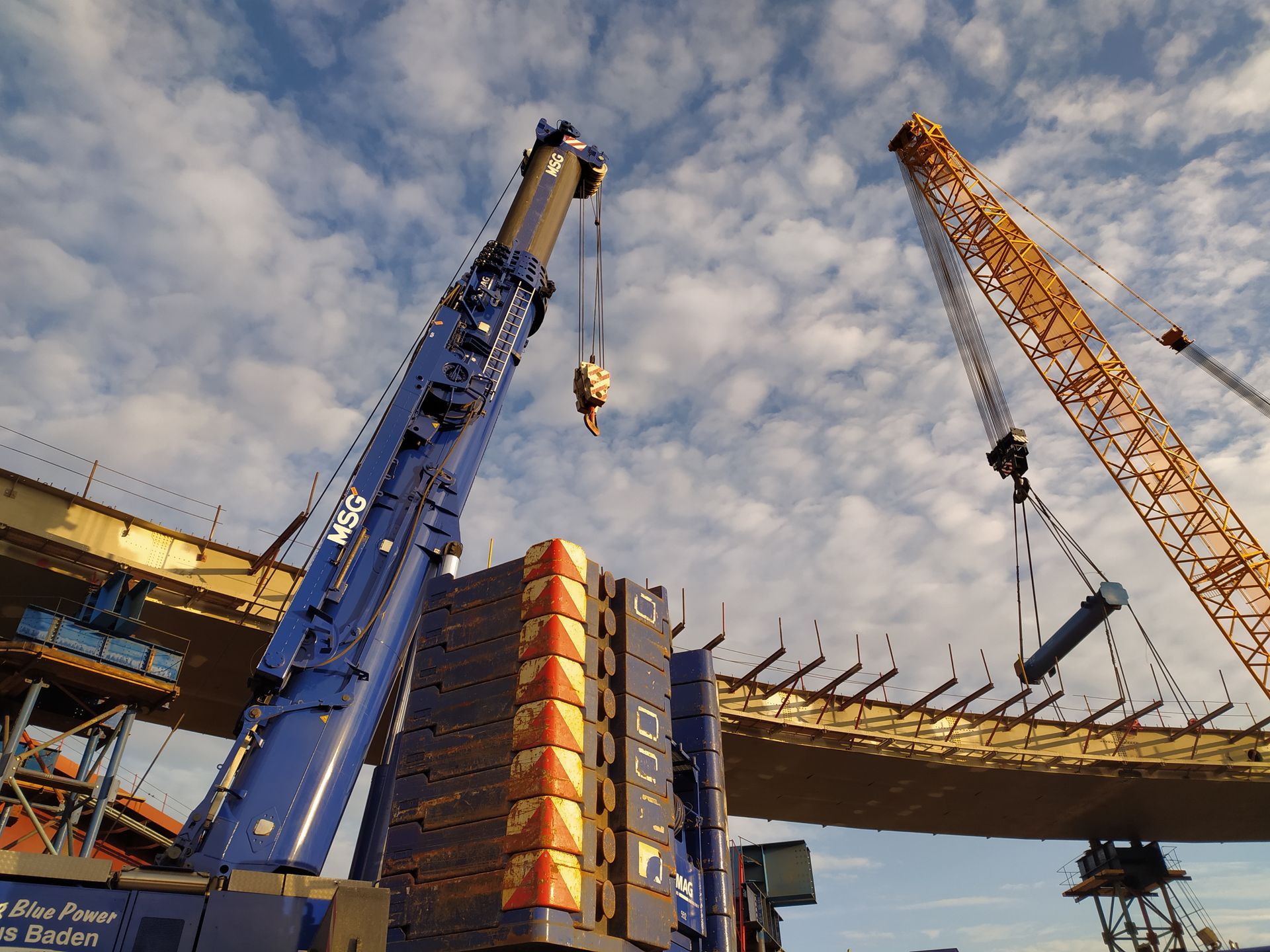
Get a lift team mobilised
Send us the lift scope, the crane configuration if it is known, the site and the dates. We will tell you what competence the job actually requires and who we can put on it.
How we scope a lifting requirement
Lifting enquiries arrive underspecified more often than any other role we handle, and the gap is usually the same one. These are the four questions we work through, in order.
Planning or execution?
If the lifts are routine, repetitive and covered by an existing generic lift plan that somebody competent signed, a lifting supervisor may be enough. If they are tandem, blind, over live plant or occupied areas, close to capacity, on uncertain ground, or involve any configuration change, you need an appointed person as well — before the crane arrives, not on the day.
The equipment
Crane type and configuration, whether it is your equipment or a hired spread, who holds the third-party certification, and whether operator supply is in scope. We can supply operators on the same terms where that helps.
The environment
Ground conditions and whether a bearing assessment exists. Proximity to live plant, occupied buildings, public realm or overhead services. Exclusion zone constraints. Weather and wind limits, which matter more on high-rise and offshore work than most plans acknowledge.
The jurisdiction
Dubai Municipality and Trakhees each have permit and approval routes for crane erection and critical lifts. ADNOC assets categorise lifts and require planning to match. Getting this wrong stops the job at the gate.
Send us those four and we will tell you the competence the work genuinely requires — including when it is less than you asked for.
Frequently asked questions
What does a lifting supervisor do?
Briefs the lift team, verifies equipment against the lift plan, checks third-party certification and colour coding, confirms ground conditions and exclusion zones, controls the lift throughout, and stops it when conditions diverge from the plan.
What is the difference between a lifting supervisor and an appointed person?
The appointed person plans the lift — load assessment, equipment selection, configuration, ground bearing, exclusion zones, the signed lift plan. The lifting supervisor executes that plan on site. Complex lifts need both.
Is a lifting supervisor legally required in the UAE?
Yes, in effect. Federal law requires competent persons for high-risk activity, and OSHAD Codes of Practice, Dubai Municipality construction requirements, Trakhees regulations and ADNOC lifting standards all mandate documented lift planning and competent supervision.
Are your lifting supervisors LEEA certified?
Our lifting pool is LEEA-trained and aligned, with appointed person certification to BS 7121, third-party lifting supervisor and rigger credentials, and inspector qualifications where equipment examination is part of the scope.
Do you supply for tandem and critical lifts?
Yes. Tandem, multi-crane, blind and critical lifts are exactly where appointed person competence matters most. We supply appointed persons and supervisors with documented experience on these lift categories.
Can you supply riggers and slinger-signallers too?
Yes. We supply complete lift teams — appointed person, lifting supervisor, riggers and slinger-signallers — or individual roles to supplement your existing team, depending on your scope.
Do you cover offshore lifting?
Yes. Offshore lifting is a separate bench. Personnel hold BOSIET, HUET and current offshore medicals alongside lifting credentials, with experience in platform cranes and vessel-to-platform transfers under dynamic loading.
Can your people supervise tower crane erection?
Yes. Tower crane erection, climbing and dismantling supervision is available, including the permit and approval interfaces required by Dubai Municipality and Trakhees for these operations.
Do you supply for module load-out and SPMT moves?
Yes. Heavy transport, SPMT operations and skidding are specialist disciplines we recruit for deliberately, serving fabrication yards in Musaffah, Hamriyah Free Zone and Jebel Ali.
Are your lifting personnel CICPA-passed?
We maintain CICPA-passed lifting personnel for ADNOC operating areas, removing the six-week pass origination cycle from your mobilisation timeline for onshore fields, offshore assets and the Ruwais complex.
How do you verify lifting certifications?
We check credentials directly with the issuing body rather than accepting the document, then test practically at interview. Lifting certification fraud is common here and the consequences are fatal.
Can you supply for a single critical lift?
Yes. Short assignments scoped to a single lift or a defined lifting campaign are standard, alongside project-duration contracts and turnaround surge mobilisations.
Which emirates do you cover?
All seven — Abu Dhabi and Al Dhafra, Dubai, Sharjah, Fujairah, Ras Al Khaimah, Ajman and Umm Al Quwain — including ports, fabrication yards, free zones, offshore assets and remote field locations.
Do you also supply crane operators?
Yes, where operator supply is part of the scope. Certified operators across all-terrain, rough-terrain, crawler, truck-mounted, tower and overhead crane types are available on the same contract terms.
How quickly can a lift team mobilise?
Shortlists within 24 to 48 hours. Personnel with valid passes and transferable status mobilise in under a week. Bulk lift team mobilisation for turnarounds is planned against your milestone dates.